When Anger Spills Over
Reflections on rage, repair, and the slow work of compassion

I used to be scared of anger, and if I’m honest, I still am to some degree. When a healer first introduced me to the idea of healthy anger, it felt like a paradox. Those two words didn’t belong together. I only knew anger as something bad, dangerous, and terrifying.
I’ve since learned that my exposure to anger started even earlier than childhood. My parents were going through a painful rupture in their marriage while my mother was pregnant with me. I felt all of that turbulence in the womb, and in my first months of life some of that uncontained anger was directed at me. It’s no wonder anger has always felt so overwhelming, woven into my body before I even had words.
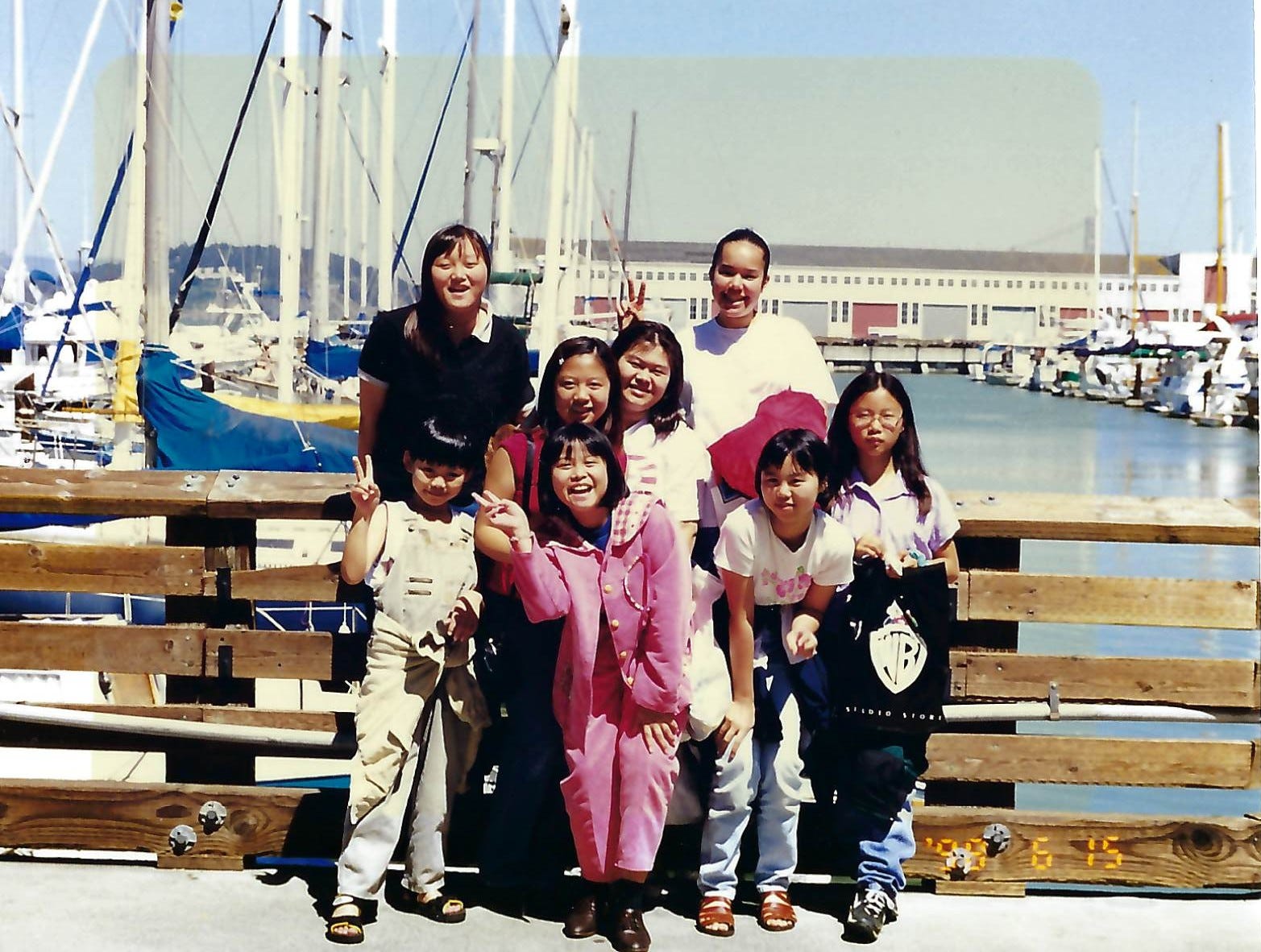
My experience of anger throughout childhood was directly tied to being seen as a “bad” child. If I expressed sadness by crying, or protested by trying to speak up for myself, I was met with scolding and rage. I learned quickly to shut down or fawn — anything to stop the terrifying anger. Looking back, I think I carried a lot of anger as a child, but I rarely let it out. It sat on my face instead. My uncle would often ask why I looked like people owed me money — the ultimate resting bitch face.
What I didn’t understand then is that anger, in its purest form, is actually protective. It’s the emotion that signals when something isn’t right, when a boundary has been crossed, when we need to act. The problem comes when anger isn’t contained. When the energy of anger spills out uncontrollably, it often turns into violence against others, or inward into shame and despair.
Because I only knew anger in its uncontained, destructive forms, I learned to fear it in myself as much as in others. I assumed that letting myself feel anger could only mean acting out or collapsing inward. Containment wasn’t a concept I had access to yet, so shutting it down felt safer than risking harm.
My primary caregiver was my grandmother. I was her favorite grandchild, but I was also sometimes scared of her. I was an extremely slow eater as a child — cheeks stuffed with food I refused to chew or swallow. She was frustrated, understandably; she was responsible for keeping me alive, and I was resisting nourishment. Her anger would flare, and sometimes she waved a Chinese butcher knife at me to scare me into eating. I would freeze. My body shut down, though eventually I’d chew and swallow.
One time, the police brought me home after I stole a hamster from a pet store. My grandmother was furious, butcher knife in hand, until the police stepped in to calm her down.
Decades later, I saw the same image reappear — my father, after his second wife slammed a door in his face, stormed to the kitchen, grabbed a butcher knife, and waved it at the door while yelling through it. I was in my late 20s then, and I froze just like I had as a child. My body remembered. I wasn’t the target of his rage, but I felt utterly trapped, with no escape until my flight home the next day. All I could do was endure the hours.
When I wasn’t frozen, I sometimes acted anger out in my own ways. As a child, I yelled at pets and sometimes waved objects at them (though never a knife). Once, in middle school, I frightened our dog so badly that a neighbor threatened to call the cops. I stopped in the moment, but I could still feel the anger coursing hot through my body, an energy too big to contain. It was exactly the way my grandmother and father must have felt when their own anger spilled over.
I remember another time when my grandmother caught me staying up late to watch movies. She smacked my hands with a back scratcher, sharp enough to sting and leave me crying hard. That moment is part of why I became so critical of myself and others when rules aren’t followed.
For so long, I lived in hypervigilance, terrified of upsetting someone and triggering their rage.
It’s taken me years to understand that I’m not a helpless child anymore.
As an adult, I repeated the pattern with one of my cats, Simon, when he wouldn’t stop biting through snack packages. I yelled and put him outside in a carrier. I’m deeply ashamed of this memory. Years later, when he was sick and dying, I was in the darkest part of my depression. I would lie on the floor with him every night in despair, guilt eating me alive. My anger had not been contained — it had spilled over — and I was horrified at myself.
Because of the deep shame of these moments, I now feel incredibly protective when I see pets being scolded or yelled at. Animals act out of instinct, not malice, and yelling at them isn’t an effective way to encourage different behavior. They just want to feel safe and loved. I carry Terry Real’s reminder with me: “There’s nothing that harshness does that loving firmness doesn’t do better.”
Part of what complex trauma teaches is that anger is always dangerous, that it can only lead to rupture. I grew up believing I had to avoid upsetting others at all costs, living in hypervigilance, trying not to trigger someone else’s rage. For years, I also turned anger inward: shame, self-criticism, and depression.
Anger itself isn’t the enemy. What was missing was containment.
Healthy anger doesn’t need to be destructive; it can be harnessed for protection, boundary-setting, and repair. This is something I’m only beginning to learn as an adult.
Last year in Taiwan, my father surprised me by opening up about his own childhood. He told me how much he hated my grandfather, an alcoholic, chain smoker, and gambler with a violent temper. My grandmother was my grandfather’s second wife — he had two at the same time, legally — and my father dreaded when my grandfather came around. He admitted that he didn’t even cry when his father died. Hearing this, I began to understand the turbulence he grew up in — and why my grandmother was pushed past her limits, trying to raise four children alone by selling betel nuts on the street.
My father tried to break the cycle in his own way: he turned away from alcohol, smoking, and gambling. He worked relentlessly to provide for his family. But he passed down new forms of trauma: workaholism instead of alcoholism, perfectionism instead of chaos, and an endless pressure to succeed. And even with all of that, he still sometimes disappeared from my life — another story for another time.
Where I am now, I can feel compassion for both my father and grandmother. They were doing the best they could with what they had, even as they repeated cycles of harm. And I can feel compassion for myself too, especially for the parts of me that acted out in ways I regret.
Just this week, I was in a situation where a loved one acted out their anger. In the past, I would have shut down completely. This time, I stayed present. That gave them the space to take a few deep breaths. Later, I was able to name that the moment had felt scary, and they apologized. They also reflected back that they noticed the difference in how I reacted — that I didn’t shut down. Their acknowledgment meant so much.
Healing doesn’t just live inside of me; it shows up in my relationships too.
Healing is slow, but moments like this week remind me it’s possible. I don’t shut down the way I used to. I can stay present, even when anger shows up. That feels like a kind of freedom I never imagined I’d find.
Author’s Note
I chose to begin this series of writings with anger because it’s an emotion many of us with complex trauma struggle to understand. Healthy anger is protective and grounding, but when we’ve only known it in its uncontained forms, it can feel terrifying. My hope is that sharing my story might help others — and their loved ones — begin to see anger with more compassion and nuance.